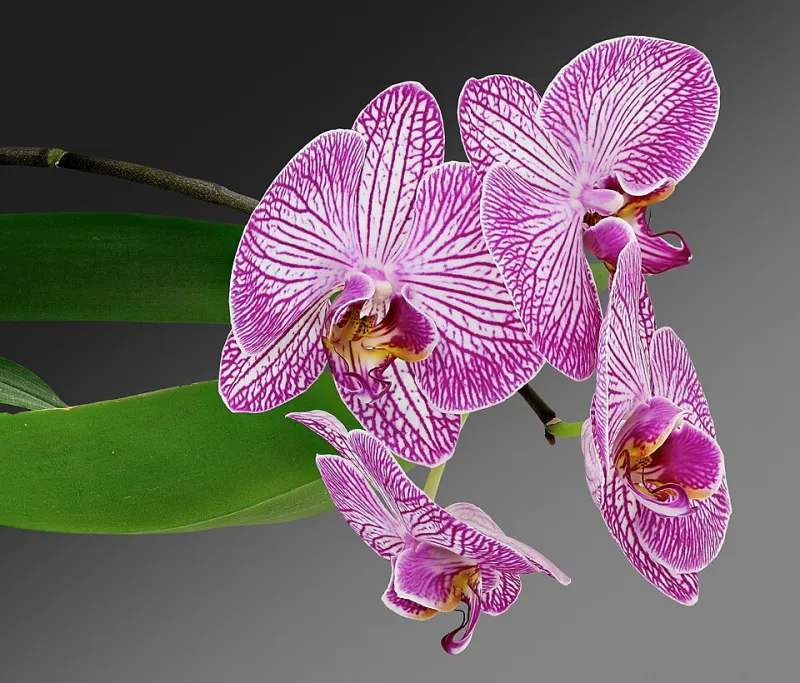
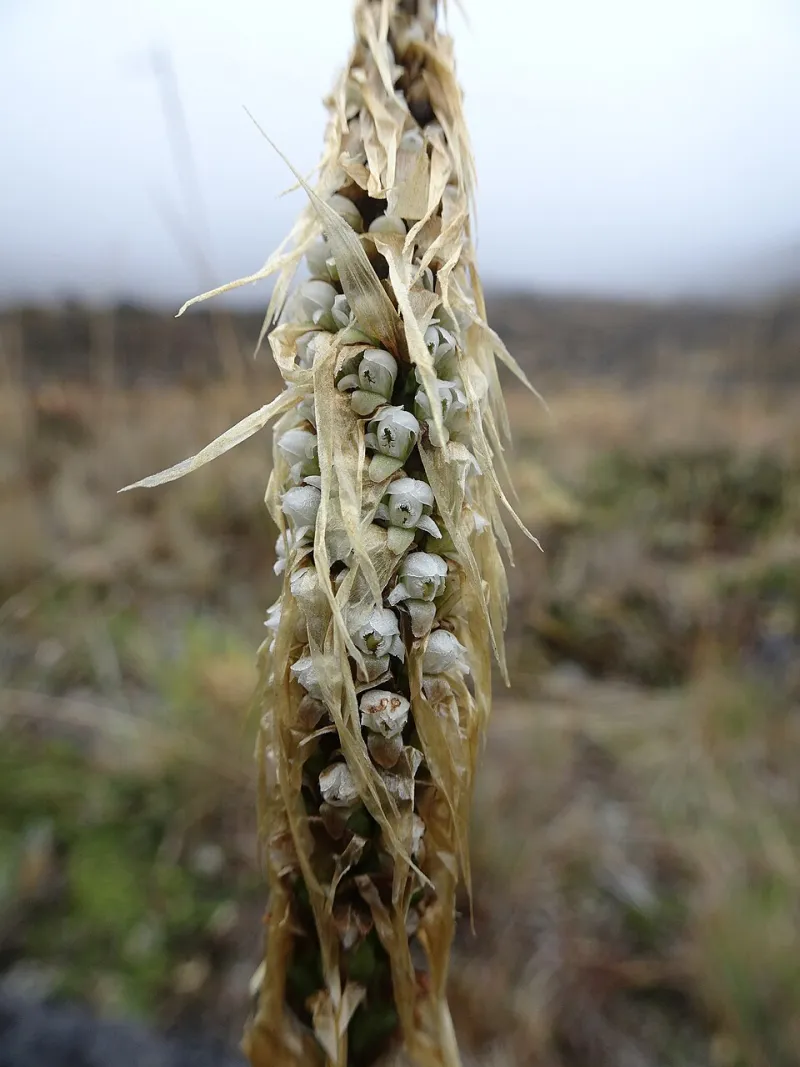
The Second Shelf: Five Orchids Worth Requesting From a British Florist in 2026
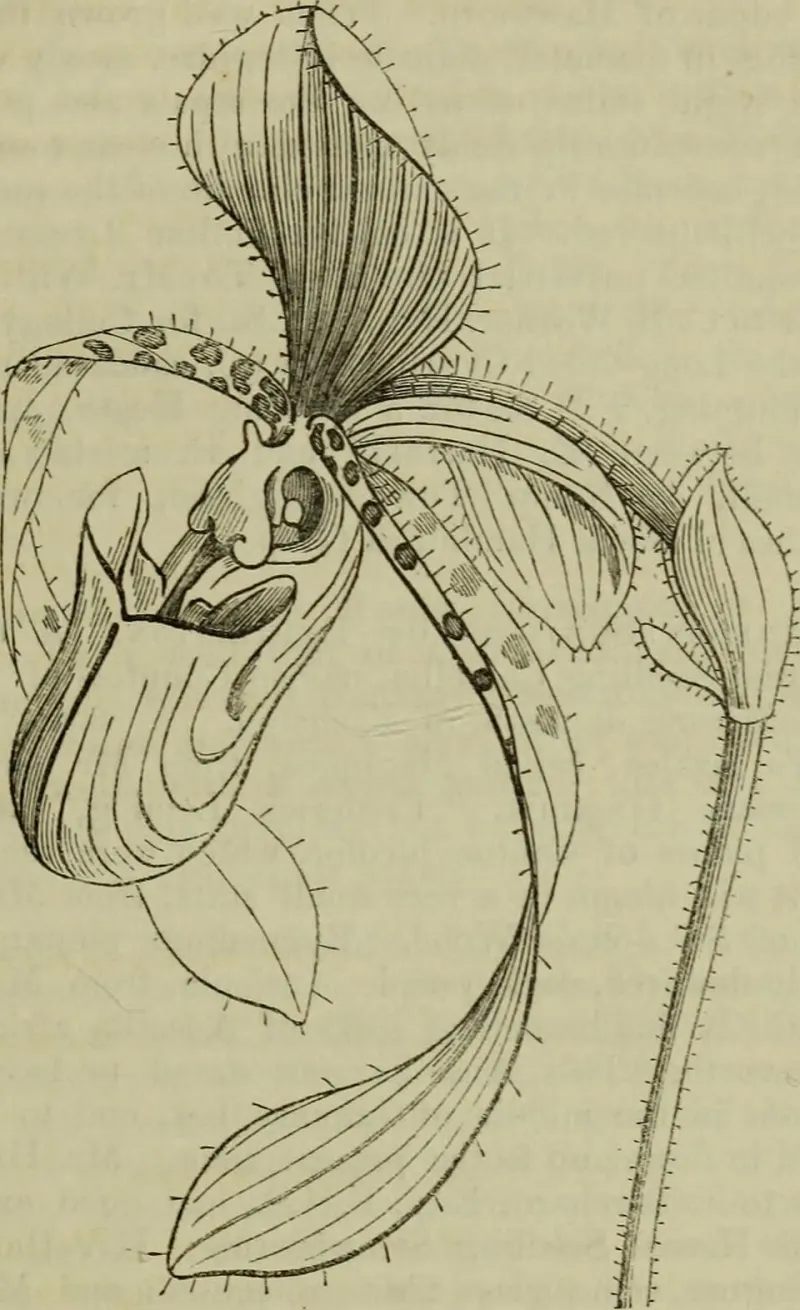
Photo: Internet Archive Book Images, No restrictions, via Wikimedia Commons
Walk into almost any British supermarket in November and you will meet the same orchid: a phalaenopsis in a ceramic pot, two stems, wrapped in a paper collar. It is a good plant and a generous introduction to the family. It is also, in the wider world of orchids, roughly one shelf in a very large library.
In 2026 the better UK growers are supplying far more than that shelf, and most of it reaches the shop rather than the supermarket aisle. The difficulty for a customer is knowing which of the alternatives will survive a British living room in February and which will quietly sulk until spring. What follows is a florist's honest account of five orchids worth asking for, and what each one genuinely expects of you.
Why it pays to ask rather than to order blind
An orchid bought blind from a photograph is a plant bought without a history. You will not know whether it has been grown warm or cool, whether it has been in the same compost since it left the nursery, or whether it is a division of an established plant or a meristem raised in the thousands.
A florist can tell you all three. That conversation is worth more than any care label, because most of the five orchids below fail in British homes not from neglect but from being placed in the wrong room and watered on the wrong schedule.
Oncidium: the dancing orchid
The oncidium is the one that looks as though it has been caught mid-thought. Thin, branching stems carry a crowd of small yellow and brown flowers that move slightly when a door closes.
Light: bright but filtered. An east-facing sill or a south window behind a blind suits it well. Direct summer sun will scorch the thin leaves within an afternoon.
Water: more often than a moth orchid. Oncidiums have fine roots that resent drying out completely. A weekly soak in tepid water, drained properly afterwards, is a reasonable rhythm from March to October.
Scent: variable and often pleasant. Some carry a warm vanilla or cocoa note in the morning which fades by lunchtime.
Honest expectation: flowering lasts four to six weeks, not three months. The plant is also less tolerant of a forgotten watering than a phalaenopsis, and the pseudobulbs will wrinkle visibly when it is unhappy.
Miltoniopsis: the pansy orchid, with a caveat
Miltoniopsis is beautiful in a way that makes customers reach for their purses. The flowers are broad, white or lilac, often marked with a butterfly pattern, and the scent is close to rose.
Light: moderate. It burns easily and dislikes a hot, bright south wall.
Water: soft water, and plenty of it. This is the orchid most often lost to hard tap water in southern England; the leaf tips brown and the roots scorch. Rainwater is the sensible answer.
Temperature: cool and humid. This is the caveat. Miltoniopsis dislikes the dry warmth of a room with the heating running hard, and a shelf above a radiator is close to a death sentence.
Honest expectation: magnificent for the confident grower in a cool, bright room, and disappointing for everyone else. Ask your florist directly whether they would sell you one for the room you have in mind.
Dendrobium: the orchid with a seasonal contract
Dendrobium covers a wide group, and the distinction matters. The soft-cane, evergreen types are forgiving and flower for weeks in warmth. The nobile types, with their cane-like stems and clusters of white and pink flowers, need a cool, dry rest in winter to set buds at all.
Light: bright, close to full sun in winter.
Water: freely in summer, sparingly in winter for the nobile types. This is not fussiness; it is how the plant distinguishes a season from a permanent summer.
Scent: some cultivars are strongly fragrant, others not at all.
Honest expectation: if the plant arrives already in bud, most of the work is done. Keeping it in flower is straightforward; flowering it again the following year is a genuine project.
Paphiopedilum: the slipper for a shaded room
The paphiopedilum, or slipper orchid, carries a single pouch-shaped flower on an upright stem, often for eight to twelve weeks.
Light: lower than most. A north or east window, or a spot a metre back from a bright one, is right. Direct sun bleaches the leaves.
Water: evenly moist, never wet. Water the compost, not the crown, because water sitting in the centre of the leaves is the most common cause of collapse.
Scent: usually none, which is worth knowing if fragrance is the point of the gift.
Honest expectation: the plain green-leaved types cope with cooler rooms and are the more forgiving choice; the mottled-leaved types want warmth and will sulk in a cold hallway. Both are slow, and a plant in flower in November is unlikely to flower again before the following winter.
Cymbidium: the long commitment
The cymbidium is the largest of the five and the one most likely to become a fixture in a household. Arching sprays of flowers appear from late winter, and a mature plant can carry several at once.
Light: bright, with a genuine preference for a cool summer outdoors. Many British growers stand them in the garden from June to September.
Water: generously in growth, less in winter. The compost should be coarse and free-draining.
Scent: mild in some cultivars, absent in most.
Honest expectation: this is a plant that needs space, a cool room and a willingness to move it twice a year. In exchange it will outlive most of the furniture.
Four questions to ask over the counter
When you do ask, ask specifically. How warm has this plant been grown? How long has it been in this pot? Has it flowered before? And what is the cultivar or grex name, so that you can look it up afterwards? A florist who can answer all four is a florist worth returning to.
Also ask to see the roots if the plant is in a clear pot, and mention your water if you live in a hard-water area. It changes the advice considerably.
A reasonable expectation
None of these five is as easy as a moth orchid, and it would be dishonest to suggest otherwise. What they offer in return is variety of form, a longer relationship with a single plant, and flowers that no supermarket shelf will show you. Ask before you buy, place them honestly, and the second shelf will reward the trouble.