The Root Test: Judging an Orchid's Health Before You Hand It Over
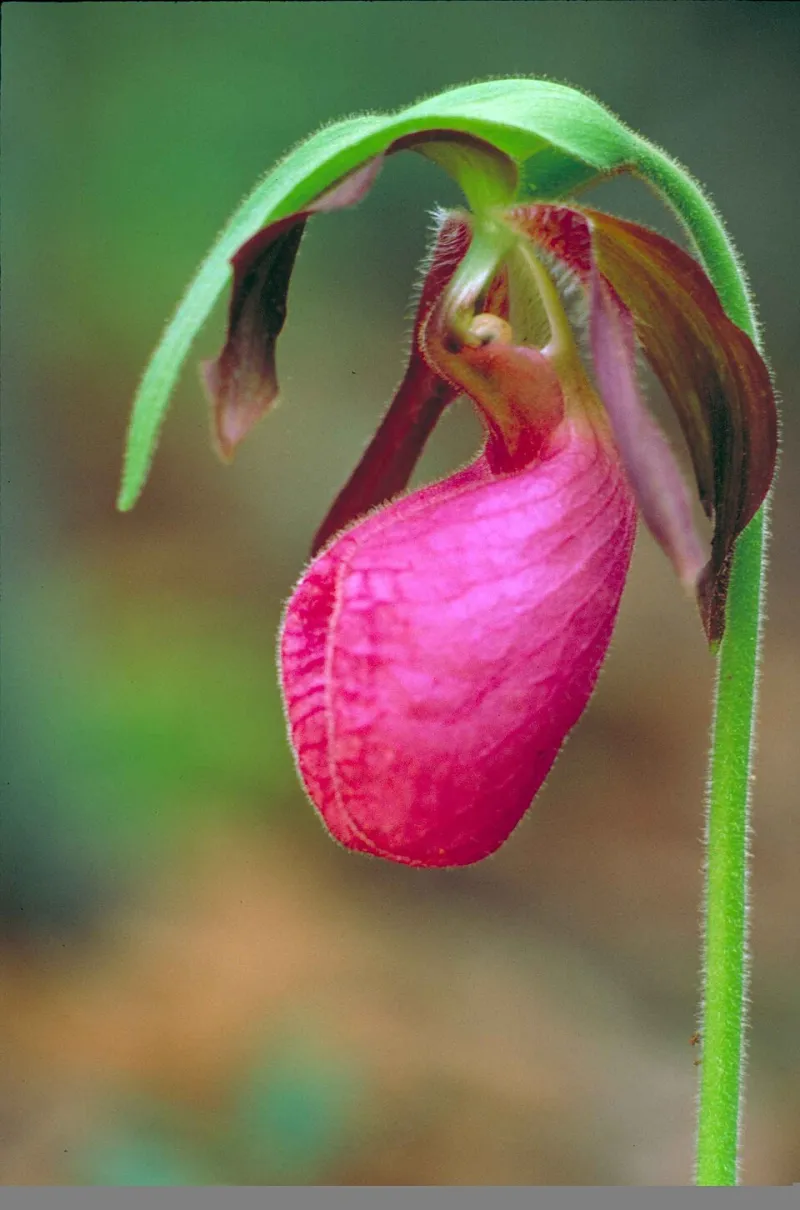
Photo: Barnes Dr Thomas G, U.S. Fish and Wildlife Service, Public domain, via Wikimedia Commons
Most people buy an orchid the way they buy a bunch of tulips: by looking at the flowers. It is an understandable instinct, and it is the single most common reason a gifted orchid fails within a season. The blooms tell you what has already happened. The roots tell you what is likely to happen next.
A florist learns this quickly. Two plants side by side on a bench, identical in flower, can be a fortnight apart in useful life. One has thick roots filling the pot and three buds still to open; the other has hollow stems below the bark and an open flower that is already past its best. Only one of them belongs in a gift.
Why flower count flatters
Growers can force an orchid into generous bloom on a schedule. A display of nine open flowers is a marketing decision as much as a horticultural one. It is also, at the point of sale, the plant's most expensive state and its least useful one: a heavily open orchid has already spent much of its flowering season in transit and on the shelf.
The more telling figure is the number of unopened buds. A plant with four open flowers and five green buds will outlast a plant with eight open flowers and nothing behind them, and it will look better in week four — which is precisely when the recipient is forming an opinion about your judgement.
Begin below the rim: what roots actually say
Healthy orchid roots are firm and plump. When dry they take on a silvery or pale green tone; when wet they turn a deeper green. Both states are normal. What matters is texture.
- Firm and silvery-green — a plant that is being watered and dried in a sensible rhythm.
- Brown, soft or mushy — rot, usually from a pot that has been standing in water or packed in dense moss.
- Flat, papery or hollow — dead roots. A few at the base of an older plant are acceptable; a pot full of them is not.
- Green tips on aerial roots — an encouraging sign. The plant is actively growing.
Where the orchid sits in a clear inner pot, you can make this assessment without disturbing anything. Where the pot is opaque, ask the seller to lift the inner pot free. A specialist nursery will do this without hesitation; a supermarket assistant may not be able to. That difference in itself tells you something.
Leaves as a slow diary of care
Foliage records weeks and months of treatment. Look for leaves that are firm, glossy and evenly coloured, with a slight leathery resistance when you touch them.
Yellowing of the oldest leaf at the very base is ordinary senescence and no cause for concern. Yellowing across several leaves at once, particularly the newer ones, suggests a problem with the roots or the watering regime. Wrinkled, limp or concertina-ed leaves almost always mean the plant has lost roots and can no longer take up water — even if the pot is wet.
Look also for the smaller signals. A sticky residue on the underside of a leaf points to scale insects. Silvery stippling or mottled patches may indicate thrips. Dark, water-soaked blotches that spread are usually bacterial and should rule the plant out entirely. And check the newest leaf at the crown: if it is dark and soft where it meets the stem, the plant may already be rotting from the centre.
A useful rule of thumb for gift buyers: a plant with good leaves and modest flowers will recover and perform. A plant with limp, tired leaves and a magnificent display is living on reserves and will decline the moment it reaches a windowsill.
The potting medium tells a story
Orchid bark should look like bark — chunky, open, with visible air spaces between the pieces. Fresh bark is firm and pale; degraded bark has broken down into a dark, crumbly compost that holds water against the roots for too long.
Sphagnum moss is not inherently a problem, but densely packed moss in a supermarket pot frequently is, because it retains moisture far longer than the average owner expects. If the surface smells sour or earthy in an unpleasant way, the medium is past its best.
Finally, check that the plant is stable. A plant that rocks in its pot has either been repotted carelessly or has lost enough roots that it can no longer anchor itself. Either way, it is not the one to give.
In the shop, on a website, at the doorstep
In the shop. Lift the pot. Look through the drainage holes. Turn the plant to check the side that has been facing the wall. Ask how long it has been on the bench, and whether it is in flower now or in bud. Garden centres, specialist nurseries and even supermarket plant sections can all supply good plants; the difference is usually how long they have sat there and how carefully they have been watered.
Online. Check whether the photograph shows the actual plant or a representative image, and whether the listing gives a pot size in centimetres — a specification is a sign of a grower, not a reseller. Read the delivery terms with some attention in winter: a plant dispatched on a Thursday and held in an unheated depot over a weekend may arrive with cold damage that will not be visible for a week.
At the doorstep. Unwrap promptly. Look for translucent, darkened or collapsed patches on leaves, which indicate chilling in transit. Check the roots through the inner pot. If the medium is soaking wet on arrival, do not water; let it drain and dry for a few days before resuming a normal rhythm.
Five questions worth asking before you pay
- When was this plant last repotted, and in what medium?
- Is the decorative pot the growing pot, or is there an inner pot that can be lifted out?
- How long has it been in the shop, and how often is it watered here?
- How many buds are still to open?
- What happens if it arrives damaged or chilled in transit?
A seller who answers these cheerfully is likely to be a seller worth returning to. One who cannot is selling flowers, not plants.
The first fortnight after gifting
Resist the temptation to repot a flowering orchid. Wait until spring, when new root growth appears and the risk of disturbing the plant is lower. Keep it in bright, indirect light, away from radiators and draughts, and — a detail often missed — away from bowls of ripening fruit, which release ethylene and shorten flower life.
Water thoroughly, allow the pot to drain completely, and then leave it alone until the medium has dried at the surface. In a centrally heated British home through the winter, that is often closer to ten days than seven.
Gift the roots
An orchid bought for its roots is a gift with a future. It will open its remaining buds in the recipient's home rather than in a delivery van, it will hold its leaves through the darker months, and it will very likely flower again next year. The flowers, after all, are only the part of the plant that happens to be visible on the day.