Desk, Not Bin: A Practical Guide to Office Orchid Gifting
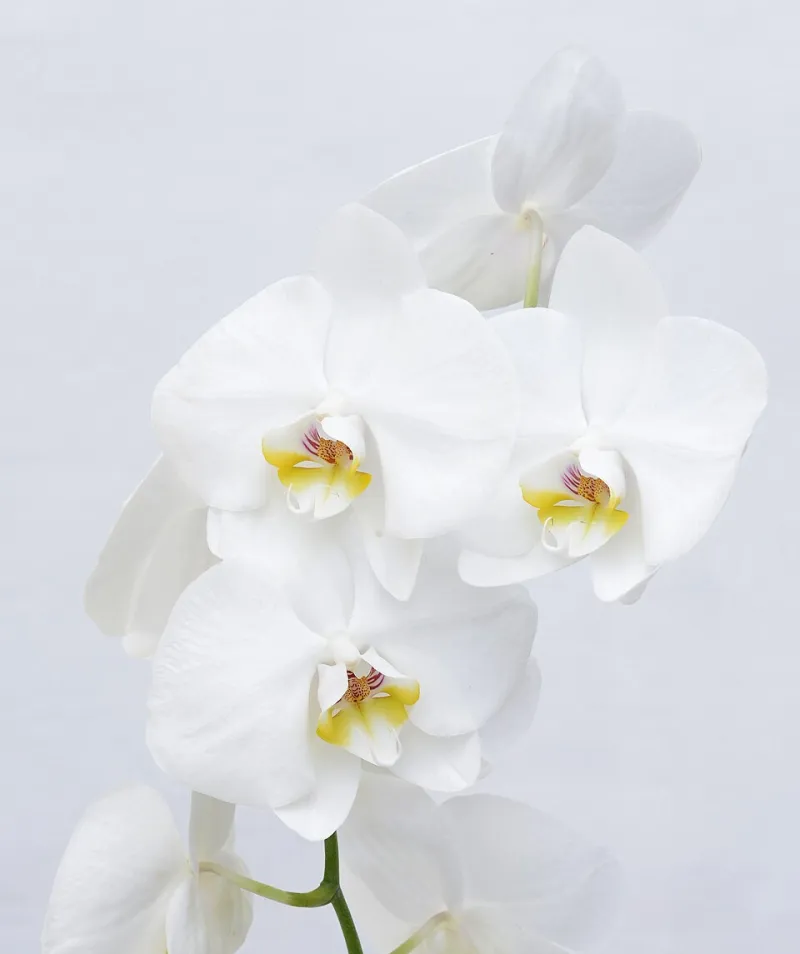
Photo: Alvesgaspar, CC BY-SA 4.0, via Wikimedia Commons
There is a familiar scene in British offices at this time of year. A parcel arrives at reception, is carried up in the lift, unwrapped at a desk, admired for a moment, and then a decision is made about its future. Cut flowers begin their decline immediately. Chocolates vanish before the afternoon meeting. A potted orchid, by contrast, can still be in leaf when the same team gathers again the following year.
That longevity is the whole argument for sending orchids into workplaces — but only when the gift is chosen with a little care. A plant that arrives on a Friday, lands in a windowless corner under a draught of air conditioning, and is watered daily by five different well-meaning colleagues will not survive. The following notes are intended to prevent that outcome.
Why a living plant outlasts the bouquet
A bouquet is an event; an orchid is a presence. Both have their place, and nobody at Orchid Flower Shop would argue against a generous bunch of seasonal stems. But in an office, the practical case for a potted plant is difficult to ignore. There is no vase to borrow, no water to spill across a keyboard, no pollen on the carpet tiles, and no awkward disposal at the end of the week.
There is also something quietly civil about a plant on a desk. It marks a working relationship without demanding anything of the recipient beyond a little water every ten days or so.
Match the plant to the room, not the photograph
Managers sending to a workplace rarely know the details of the desk in question. Assume the worst and choose accordingly: fluorescent lighting, sealed windows, dry recycled air, and a temperature that swings between chilly in the morning and overheated by three o'clock.
- Phalaenopsis (moth orchid) — the most forgiving choice by a wide margin. It tolerates artificial light and dry air better than most of its relatives, and flowers for weeks on end. For the majority of office gifts, this is the sensible answer.
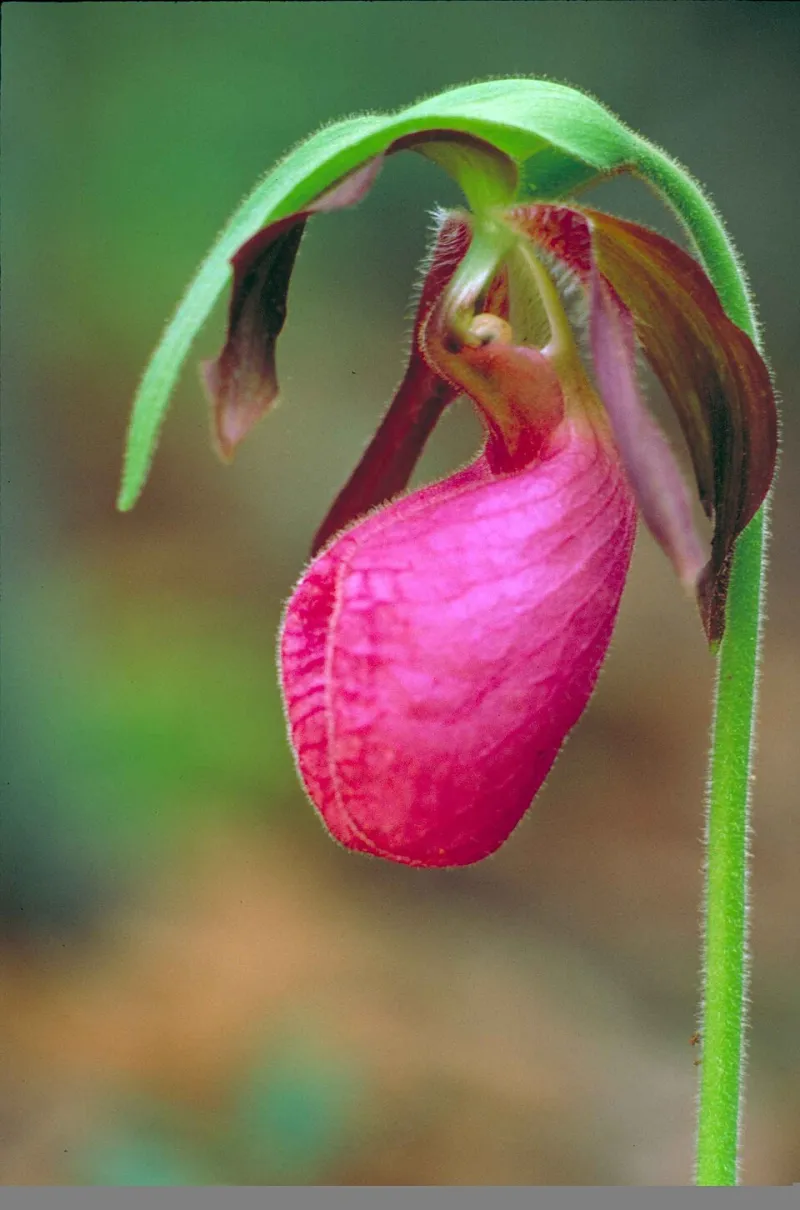
- Paphiopedilum (slipper orchid) — elegant, architectural and happy in a shadier corner, but slower growing and usually more expensive. Best reserved for a director's office or a reception desk where it will not be moved.
- Oncidium and its hybrids — cheerful and abundant, but they want brighter light than a bank of ceiling panels will provide. A south-facing windowsill is a better home than an interior desk.
- Dendrobium — handsome, but it prefers a cooler, brighter position and is less tolerant of centrally heated stuffiness than the moth orchid.
If the recipient sits far from any window, a smaller Phalaenopsis in a well-drained pot is almost always the right call.
The delivery diary: timing that respects a workplace
Timing is where most corporate gifting goes wrong, and it has nothing to do with the plant.
Aim for Tuesday, Wednesday or Thursday. A parcel that arrives on Friday afternoon is at risk of sitting in a post room until Monday, and no orchid benefits from a weekend in a plastic-lined mail sack. Monday is workable but often chaotic; the recipient's first hour is spent clearing an inbox rather than unwrapping anything.
Check the building's receiving hours. Large offices frequently accept deliveries at a loading bay only until mid-afternoon, and some require a named contact before anything is signed for. Where a reception team exists, a short courtesy note ahead of dispatch prevents the parcel from being logged as a mystery and left unclaimed.
Look at the calendar before you look at the catalogue. Bank holidays, Christmas shutdown periods, half-term for school-based staff, and the quiet week between Christmas and New Year all need accounting for. December in particular rewards a little forward planning: the second week of the month is usually calmer than the last.
Name a human, not a department. Where possible, give the courier both the recipient and a colleague who can receive on their behalf. It removes the most common cause of a failed workplace delivery.
Dry air, fluorescent light and the Monday morning rescue
An office orchid's chief enemy is not neglect but excessive attention. Five colleagues each watering a plant once a week amounts to five waterings a week, and root rot follows swiftly.
A small printed care card tucked beside the pot solves most of this. If that feels impersonal, a line in the accompanying message works just as well: bright indirect light, water roughly every ten days, never leave the pot standing in water, keep away from radiators and draughts. A narrow-spouted watering can makes the job easier at a desk, and a small bottle of orchid feed is a thoughtful addition for anyone who will keep the plant beyond its first flowering.
Grouping the orchid with other plants raises humidity around the leaves, which helps in air-conditioned buildings. It is a small measure, but it makes a visible difference by February.
Six gifts that read well on a desk
- A single white Phalaenopsis in a ceramic pot — the safest and most dignified choice for a manager, a departing colleague or a client.
- Two smaller orchids in matching pots — a generous gesture for a shared desk or a team thank-you, without the awkwardness of a large arrangement in a cramped space.
- A planted bowl combining one orchid with foliage — practical for open-plan floors, where a lower, wider shape is less likely to be knocked over.
- A larger specimen for a reception or meeting room, where lighting and humidity are usually better and the plant becomes part of the setting rather than a personal possession.
- An orchid with a care kit — pot, feed, watering can and a written note. Slightly more thought, considerably more likely to be kept.
- A seasonal repeat delivery — one plant per quarter is a restrained way of marking a long working relationship and avoids the annual scramble in December.
The card, the policy, and the awkward bits
Keep the message short and warm. Humour is risky in a workplace card, and a joke at a colleague's expense rarely reads as intended once the sender has left the room.
One practical point worth checking: many organisations, particularly in the public sector and financial services, require staff to record gifts above a modest value. If you are sending to a client, a brief note offering to supply the details they need for their register is courteous and saves them a difficult email.
A closing word on the obvious
An orchid is not a cheap gesture, and it should not be treated as a default. But where a plant is chosen for the light, delivered at a sensible hour, and accompanied by a line about watering, it will sit on that desk for months — quietly doing the work that a bunch of flowers, however beautiful, cannot. That is the difference between a gift that is received and a gift that is kept.