A Few Well-Chosen Words: Orchid Enclosure Cards for British Gift-Giving
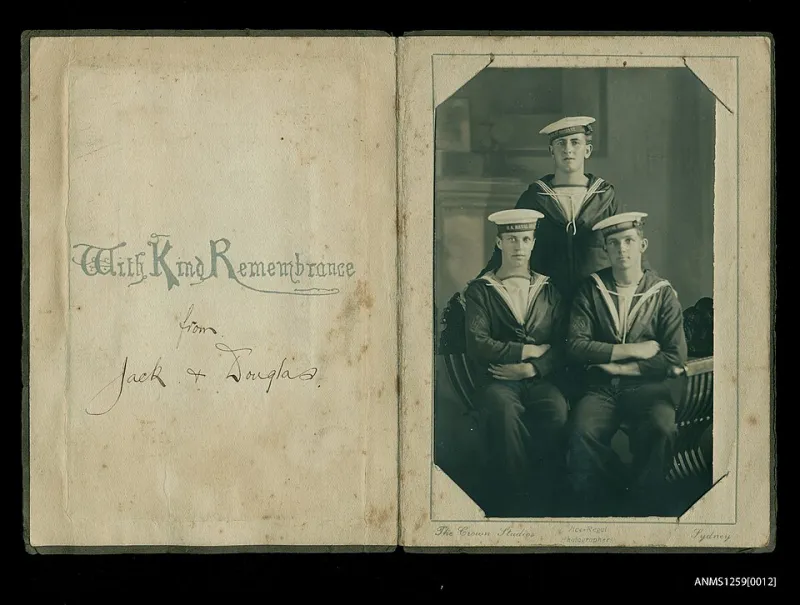
Photo: Australian National Maritime Museum on The Commons, No restrictions, via Wikimedia Commons
An orchid delivered to a door arrives with two voices. The first is visual: colour, poise, the quiet architecture of the plant. The second is written, and it travels in the enclosure card. In British gifting, where restraint is often read as good manners, that small card frequently does more work than the arrangement itself. It clarifies the relationship, sets the register and prevents a beautiful gift from feeling anonymous.
At Orchid Flower Shop, we see how much depends on a few lines. A card that is too elaborate can overwhelm the gesture; one that is too bare can leave the recipient uncertain. The aim is not literary flourish but fit: a message that sounds like the sender, suits the occasion and allows the orchid to remain the centre of attention.
Why the enclosure card carries so much weight
Orchids are long-lasting gifts. They sit on windowsills, desks and hall tables for weeks, and the card is often kept beside them. Unlike a bunch of cut flowers, which may be enjoyed and then composted within a week, a potted orchid becomes part of a room. The message that accompanies it may be read several times, sometimes by visitors as well as the recipient.
This makes the enclosure card a curious hybrid: part compliment slip, part letter, part label. It should identify the sender clearly, say enough to explain the gift and stop before it becomes a speech. The best messages tend to be specific without being private, warm without being effusive and brief without being curt.
Four tone rules before writing
First, decide what the card is for. A thank-you, an apology and a congratulations card each need a different centre of gravity. Second, match the intimacy of the relationship. A message to a close friend can afford a lighter touch; one to a colleague, a neighbour or a teacher should be more measured. Third, avoid florist language. Phrases such as ‘floral greetings’ or ‘best wishes for your special day’ can make a genuine gesture sound like a template. Fourth, read the card aloud. If a sentence feels unnatural in speech, it will probably feel unnatural on paper.
Ten occasions and ten messages
1. A new job
“Congratulations on the new role. I hope the first week is everything you wanted — and that this orchid makes the desk feel a little more yours.”
This works because it acknowledges the professional milestone without turning it into a formal commendation. The reference to the desk gives the orchid a purpose.
2. A house-warming thank-you
“Thank you for having us on Saturday. The house already feels warm; I hope this orchid finds a good spot in it.”
For a house-warming, avoid implying that the recipient needs a gift for the home. The message should thank them for hospitality, not furnish the room.
3. A sincere apology
“I am sorry for my part in last week’s misunderstanding. No reply is needed — I simply wanted to put things right.”
The second sentence matters. It gives the recipient space and prevents the orchid from becoming a demand for forgiveness.
4. A retirement
“With congratulations on a long and distinguished career. May the next chapter be slower in the best possible way.”
Retirement cards can tip into cliché. A restrained line about time and pace is often more affecting than a list of achievements.
5. An awkward neighbourly thank-you
“Thank you for taking in the parcel — again. A small thank-you for a neighbour who makes the street easier.”
Neighbourly gifts are often prompted by small, repeated kindnesses. Naming the specific favour is better than a vague expression of gratitude.
6. A new baby
“Congratulations to you all. A quiet green presence for the days when the house is anything but quiet.”
Light humour can work here, but only if the sender knows the family well. Otherwise, keep the message simple and warm.
7. A recovery
“Thinking of you while you recover. No need to reply — just a little greenery for the windowsill.”
Avoid medical advice and avoid promising that the orchid will speed recovery. The gift is a sign of thought, not a treatment.
8. A thank-you after a meal
“Thank you for a lovely evening. You made it look effortless; this is a small token of our appreciation.”
This is suitable for hosts, including those who insist they have done nothing. It praises the occasion without overstating the gift.
9. End of term
“Thank you for your patience and care this term. It has made more difference than you know.”
For teachers, childminders and music tutors, specificity is welcome. If a particular kindness can be named in a sentence, do so; otherwise, keep the focus on patience and care.
10. Condolences
“Thinking of you and your family at this sad time. With sincere condolences.”
In bereavement, simplicity is a form of respect. Avoid explanation, advice or anecdotes unless you are very close to the recipient. The orchid should be a quiet presence, not a centrepiece.
What to leave off the card
Brevity is not the same as bluntness. Avoid exclamation marks in formal contexts, and avoid multiple jokes in a single message. Do not mention the price of the orchid, the delivery charge or the difficulty of ordering. These details belong to the transaction, not the gift.
It is also wise to avoid instructions unless they are genuinely needed. A line such as ‘water weekly’ may be helpful between friends, but it can sound proprietorial in a professional or neighbourly context. If care guidance is important, it is better placed on a separate care card or in the accompanying literature.
Be cautious with phrases that presume emotion. ‘I know you will love it’ can feel presumptuous; ‘I hope it brings a little calm to the room’ is gentler. Equally, avoid opening with ‘Sorry I have been rubbish at keeping in touch’ unless the apology is the purpose of the gift. The orchid should not arrive carrying a debt.
Practical notes for courier delivery
A card that travels by courier must work without the sender present. Include your full name, not only a first name or initials, particularly for workplace, neighbourly or formal gifts. If the orchid is a surprise, do not mention the occasion on the outer packaging or in any text message that might be seen before delivery.
Keep personal information to a minimum. A courier card does not need to mention illness, family disputes or confidential work matters. For hospital deliveries, choose a short message and avoid strong personal detail; the recipient may not be the first person to read it. For office gifts, include the department or team name if the recipient may not recognise the sender’s handwriting.
Finally, write clearly. A handwritten card is warmer than a printed slip, but only if the recipient can read it. Check the spelling of names, use the correct title if one is appropriate and ensure the card is placed where it will be seen immediately on opening.
The enclosure card is a small thing, but it is rarely a minor one. A well-pitched message gives the orchid a context, clarifies the sender’s intention and allows the recipient to enjoy the gift without wondering what it means. In British gifting, that quiet clarity is often the greatest kindness of all.