Small Vows, Sturdy Stems: Orchids for Intimate British Winter Weddings
Small winter weddings have a particular atmosphere: fewer guests, lower ceilings, early dusk, and a sense that every detail is closer to the people it is meant for. In such settings, orchids are unusually well suited. They bring formality without stiffness, and their sculptural lines look deliberate in a register office, a restaurant dining room or a village hall dressed with candles and linen. The practical question is not whether orchids belong at an intimate British wedding in December, January or February, but which ones will travel well, sit comfortably in the venue, and remain beautiful long enough to be enjoyed.
Choosing Orchids That Hold Their Poise
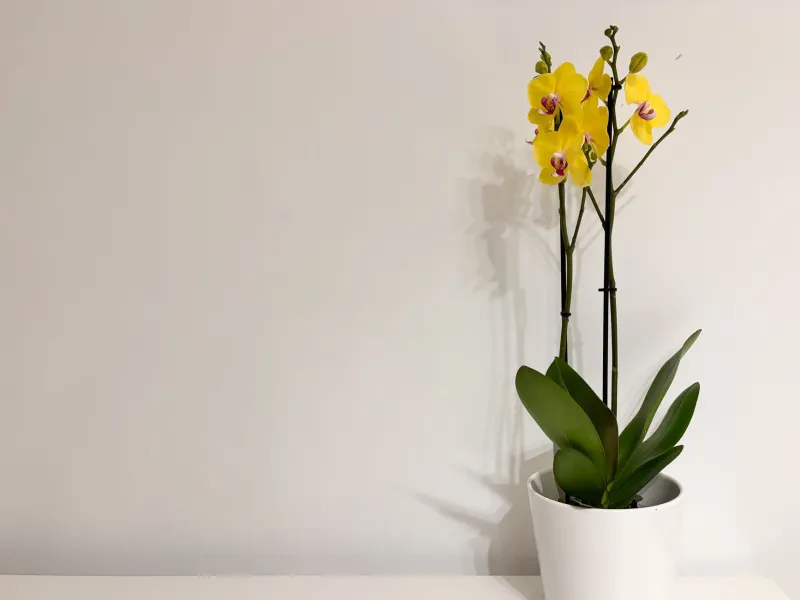
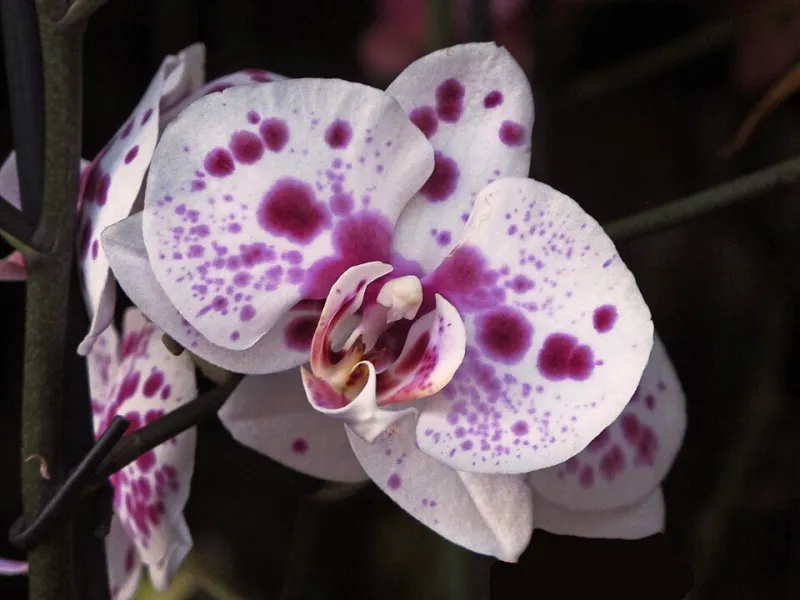
For winter weddings, the most dependable choices are those already accustomed to indoor conditions. Phalaenopsis, the familiar moth orchid, is a sound option for tables and sideboards: it tolerates centrally heated rooms, comes in white, blush, soft green and deep plum, and can be grouped in simple pots for a composed, modern look. Cymbidium blooms are excellent for bouquets and buttonholes because individual florets are robust and hold their shape when wired. Dendrobium orchids offer a lighter, more delicate line and work well in smaller arrangements, though they should be kept away from draughts.
For a village hall reception, avoid varieties that resent fluctuation. A hall may be cold during setup, warm once guests arrive, and chilly again after the last car leaves. Potted phalaenopsis and cymbidium stems in water are more forgiving than fragile cut blooms in shallow dishes. If the couple want orchids in every arrangement, it is wiser to use a few strong statements than to scatter delicate flowers across many small vessels.
Colour should be considered against the room as well as the wedding palette. White and ivory orchids read beautifully in low winter light, while burgundy, aubergine and soft green suit older halls with wood panelling. A florist can advise on how a particular shade will appear under tungsten, candlelight or the hall’s existing lighting.
Buttonholes, Bouquets and the Small Wedding Scale
In an intimate wedding, the bridal party may be two people rather than ten, which makes each flower more visible. A single cymbidium bloom wired with a little foliage can be a more elegant buttonhole than a crowded cluster. For the bouquet, orchids can be combined with winter foliage, hellebores or textured grasses, but the stems need to be conditioned properly and kept in water until the last possible moment. If the ceremony and reception are in different places, the bouquet should travel in a box or vessel that protects it from cold air and accidental pressure.
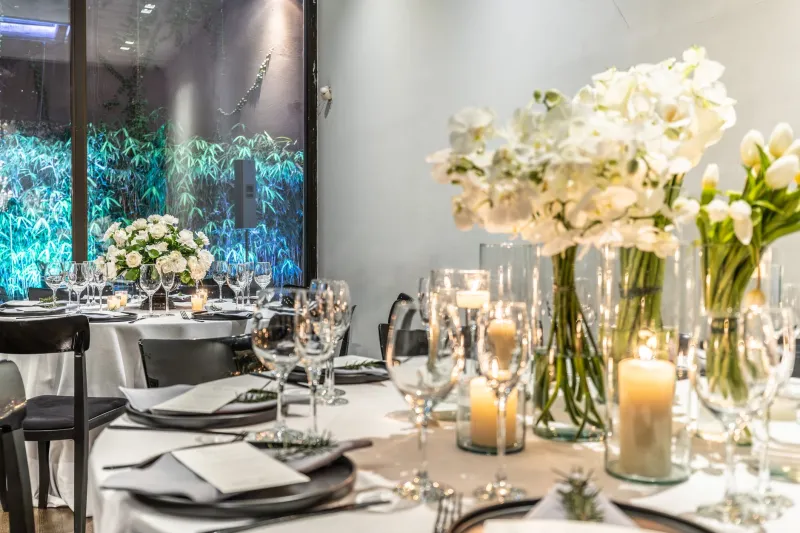
Table arrangements for a small wedding should feel generous but not obstructive. Low bowls of orchids and candles allow guests to talk across the table; tall arrangements can overwhelm a small room. Potted orchids placed on a mantelpiece or windowsill can later become gifts for parents or attendants, which is both practical and quietly thoughtful. If the venue has a fireplace that will not be lit, the mantel is often an excellent display point, but live orchids should never be placed close to a working fire or radiator.
Coordinating with Florist and Venue
A winter wedding benefits from a clear timetable. The florist should know when the venue can be accessed, whether there is a refrigerator or cool room, and how long the flowers will wait before the ceremony. Village halls often have generous space but limited preparation time; churches may be cold for hours before guests arrive. Orchids should be delivered as close to the event as is practical, not left overnight in an unheated hall.
It is also worth asking who will move arrangements between ceremony and reception, and who will collect any pots or vessels afterwards. For a small wedding, these details are manageable but easily overlooked. A florist who understands the venue can advise on placement away from doors, draughts and direct heat. The couple should confirm whether the venue permits candles, whether there are restrictions on fixing arrangements to walls, and whether any flowers can remain for a morning gathering the next day.
Delivery Timing in Cold Weather
Cold weather is not automatically harmful to orchids, but rapid changes and wet packaging are. A delivery should be planned for a window when someone can receive it, rather than left on a doorstep in freezing conditions. Potted orchids should be wrapped to protect the leaves and flower spikes from wind, and cut blooms should be kept in water or damp packaging during transit. If the wedding is in a remote part of the UK, allow extra time for winter roads and keep a contact number for the venue.
For couples marrying between December and February, the safest approach is to have orchids delivered to a home, hotel or venue where they can be unpacked promptly. If the flowers are intended for the ceremony only, they should not arrive days in advance. If they are potted and meant to be taken home afterwards, the couple should arrange transport that keeps them upright and away from the boot’s coldest corner.
Sending an Orchid Gift to the Couple
Guests who cannot attend, or who wish to mark the marriage beyond the wedding day, may send an orchid to the couple’s home after the event. A potted phalaenopsis in a restrained ceramic pot is a graceful choice for a new marriage: it lasts, it asks little, and it does not compete with the wedding flowers. Delivery should be arranged for a date when the couple are back from any honeymoon, with an enclosure card that refers to the wedding rather than offering generic congratulations.
For a winter wedding, the gift can also be sent before the ceremony to the couple’s home, giving them something green and calm amid the arrangements. In either case, a note that mentions the date, the venue or a shared detail will make the orchid feel part of the occasion rather than an afterthought. At Orchid Flower Shop, we recommend choosing a plant that suits the light in the couple’s home and arranging delivery for a day when it can be received indoors.
Intimate winter weddings do not need vast quantities of flowers. They need blooms that behave well in the cold, sit gracefully in the room, and carry a sense of occasion without fuss. Orchids, chosen with care and delivered at the right moment, do exactly that.