Potted or Cut? A Winter Orchid Gift Calculator for Considered Buyers
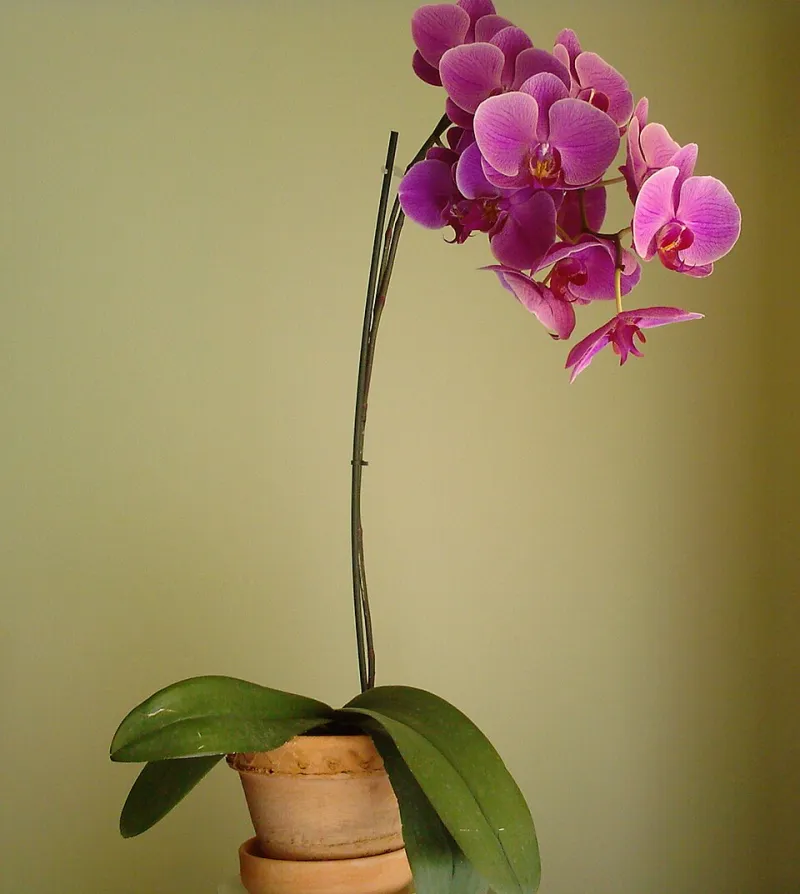
Photo: Nicu farcas, CC BY 2.5, via Wikimedia Commons
Winter gifting in the UK invites a familiar question: should the orchid arrive in a pot or in a bouquet? Both are elegant, both travel reasonably well when packed properly, and both can be suited to the same occasion. The difference lies in what the recipient is expected to do after the courier has left. A potted phalaenopsis is a living commitment; a cut orchid bouquet is a finite display. Neither is inherently more generous. The useful test is cost per week of enjoyment, considered alongside care demands and the practicalities of a British winter delivery.
The Cost-per-Week Method
The calculation is simple. Divide the total cost, including delivery, by the realistic number of weeks the gift will be enjoyed. A florist potted phalaenopsis might cost £35 to £55, with delivery of £6 to £10. In good conditions, the plant may flower for six to ten weeks, and the foliage remains attractive afterwards. A cut orchid bouquet might cost £40 to £65, with similar delivery, and last one to three weeks depending on the variety and room temperature.
On a strict cost-per-week basis, the potted orchid usually wins. A £45 potted orchid with delivery at £7 and eight weeks of flower gives a cost of £6.50 per week. A £50 cut bouquet with £7 delivery and two weeks of display gives £28.50 per week. The gap is wide. But the calculation flatters the potted plant if the recipient lacks the light, time or confidence to keep it going. It also undervalues the cut bouquet if the occasion calls for immediate impact and no ongoing obligation.
What the Potted Orchid Really Asks
A phalaenopsis in pot is not difficult, but it is not maintenance-free. It needs bright, indirect light, a room that does not drop below roughly 16°C, and water only when the roots turn silver and the pot feels light. It dislikes sitting in water, radiators and cold draughts. In a British home in January, the main risks are overwatering and a dark corner. The plant will survive both for a while, but it will not thrive.
For the right recipient, this is a pleasure rather than a burden. Someone who works from home, has a bright windowsill and enjoys watching a plant rebloom will extract far more than eight weeks of value from a potted orchid. For a frequent traveller, a student in a dim flat or a recipient who prefers not to manage living things, the same plant can become a quiet source of guilt.
What the Cut Bouquet Really Asks
A cut orchid bouquet asks for a clean vase, fresh water and a cool position away from direct sun and fruit. It delivers immediately. There is no repotting, no root inspection and no question about what to do when the flowers fade. For a colleague, a host, a hospital patient or anyone who needs a lift without a follow-up task, that can be the more considerate choice.
The trade-off is longevity. Cut orchid stems, particularly cymbidium or dendrobium, can last well in a cool room, but two weeks is a realistic expectation and three is a bonus. The gift is designed to be enjoyed and then composted. That is not waste if it suits the occasion; it is simply a different kind of value.
Matching Format to Occasion
For a housewarming or a long-term thank-you, a potted orchid has the edge. It sits in a room, grows with the household and can be enjoyed long after the card has been recycled. For a Christmas table, a New Year gathering or a restaurant delivery, a cut orchid bouquet is often more practical. It can be arranged in a vase, placed on a table and removed without leaving a care plan behind.
For an office colleague, consider the lighting before the price. A cut bouquet is usually safer in a workplace with fluorescent lighting and shared responsibilities. A potted orchid may be admired, but it may also be overwatered by a well-meaning team. For a condolence gift, both formats can be appropriate; a potted orchid offers quiet longevity, while a cut bouquet is immediately consoling and requires nothing of the recipient.
Delivery Practicalities in a British Winter
Potted orchids are heavier and need secure packaging to prevent the stem from snapping. They can tolerate short periods in transit, but prolonged cold is damaging. Cut bouquets are lighter but more exposed to frost; a reliable courier and sensible dispatch timing matter more than the format itself. In either case, avoid a Friday delivery if the recipient will not be home until Monday. A gift that sits in a cold depot over the weekend is no bargain at any price.
The Honest Verdict
If the priority is cost per week and the recipient has the right light and temperament, choose the potted orchid. If the priority is immediate beauty, low care demand or a specific occasion with a short lifespan, choose the cut bouquet. The cheaper option is not always the kinder one, and the longer-lasting option is not always the better gift. A considered buyer looks at the recipient, the room and the week ahead before looking at the price tag.